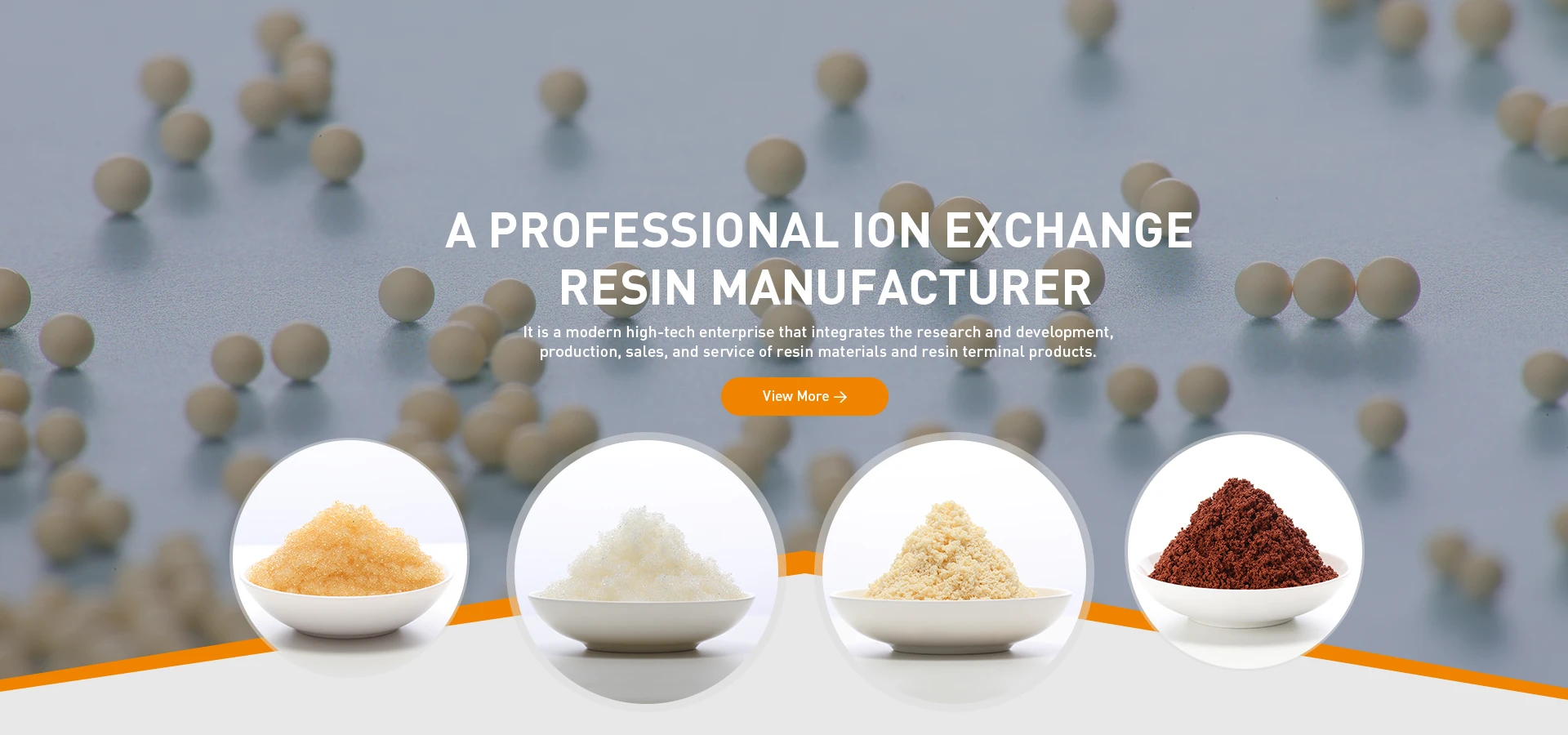
synthetic ion exchange resin
Understanding Ion Exchange Resins: A Critical Component in Modern Industrial Processes In the realm of advanced material science and chemical engineering, the ion exchange resin stands as a cornerstone technology, indispensable across a multitude of industrial applications ranging from water treatment and purification to chemical processing and pharmaceutical manufacturing. These specialized polymeric materials possess the unique ability to exchange ions with solutions they come into contact with, a property that facilitates the removal of undesirable ionic species or the concentration of valuable ones. This intricate process is governed by specific functional groups attached to the resin matrix, which selectively bind and release ions based on their charge and affinity. The strategic application of these resins allows industries to achieve unparalleled levels of purity, efficiency, and environmental compliance, driving innovation in areas like demineralization, softening, and contaminant removal. The inherent versatility of ion exchange technology, coupled with ongoing advancements in resin chemistry and manufacturing, continues to expand its utility, making it a critical asset for businesses seeking optimized operational performance and adherence to stringent quality standards in today's demanding global market. Our focus on high-performance resins ensures superior selectivity, capacity, and mechanical stability, crucial for long-term operational integrity in diverse industrial settings. The Meticulous Manufacturing Process of High-Performance Ion Exchange Resins The production of a high-quality Strong Acid Cation Exchange Resin, such as our 001×8 variant, involves a sophisticated multi-stage manufacturing process that demands precision engineering and stringent quality control. The journey begins with the synthesis of a robust polymeric matrix, typically polystyrene cross-linked with divinylbenzene (DVB), which forms the foundational bead structure. This cross-linking process is crucial as it determines the resin's mechanical strength, osmotic stability, and porosity, directly influencing its service life and resistance to fouling. Following matrix formation, the beads undergo a sulfonation reaction, where sulfonic acid groups (—SO3H) are introduced onto the polymer backbone, imparting the strong acidic cation exchange functionality. This critical step must be meticulously controlled to ensure uniform functionalization and optimal exchange capacity. Subsequent stages involve exhaustive washing to remove unreacted reagents and by-products, followed by precise sizing and screening to achieve a narrow particle size distribution. A uniform bead size is paramount for efficient hydraulic performance, minimizing pressure drop and ensuring consistent regeneration kinetics in large industrial columns. Throughout this entire process, adherence to international testing standards such as ISO 9001 and ANSI is rigorously maintained, with each batch undergoing comprehensive quality checks for parameters like moisture content, total capacity, and chemical stability. This meticulous approach guarantees that the final product, characterized by its durable material and advanced manufacturing precision, offers exceptional performance and a long operational lifespan, making it ideal for demanding industries like petrochemicals, metallurgy, and municipal water treatment, where its advantages in energy efficiency and superior corrosion resistance are critical for optimal system performance. Fig 1: Illustrative manufacturing process of high-performance strong acid cation exchange resin. Technical Specifications and Performance Parameters of Strong Acid Cation Exchange Resin 001×8 The performance of an ion exchange resin is quantitatively defined by a suite of critical technical parameters that dictate its suitability for specific applications. Our Strong Acid Cation Exchange Resin 001×8, a premium gel-type resin based on a styrene-DVB matrix, exemplifies superior engineering for demanding water treatment scenarios. Key specifications include its ionic form, which is typically Na+ or H+ depending on the application, providing the flexibility for both softening and demineralization processes. The resin exhibits an impressive total exchange capacity, typically ranging from 1.8 to 2.0 eq/L, indicative of its high efficiency in removing cations like calcium, magnesium, and sodium. Its uniform particle size distribution, with a typical effective size of 0.45-0.55 mm and a uniformity coefficient of less than 1.6, ensures optimal hydraulic characteristics, minimizing pressure drop across the resin bed and preventing channeling. This precision in bead size is critical for maximizing contact efficiency and ensuring stable operations in large-scale industrial systems. Furthermore, the resin maintains excellent moisture retention, usually between 45% and 50%, which is vital for its osmotic stability and resistance to physical degradation over extended operational periods. Its operating temperature range, often up to 120°C, underscores its robustness for high-temperature applications, making it a reliable choice for diverse industrial environments where conventional softening or demineralization might struggle. Parameter Strong Acid Cation Resin 001×8 (Na+ Form) Standard Range for Strong Acid Cation Resins Matrix Structure Gel type, Styrene-DVB Gel or Macroporous, Styrene-DVB or Acrylic Functional Group Sulfonic Acid Sulfonic Acid Ionic Form Na+ (or H+) Na+, H+, K+ Total Exchange Capacity (eq/L) ≥ 1.9 1.7 - 2.2 Moisture Content (%) 45 - 50 42 - 55 Particle Size (0.315-1.25 mm, %) ≥ 95 ≥ 90 Effective Size (mm) 0.45 - 0.55 0.40 - 0.60 Uniformity Coefficient ≤ 1.6 ≤ 1.7 Specific Gravity (g/mL) 1.25 - 1.29 1.20 - 1.30 Reversible Swelling (Na+ to H+, %) ≤ 8 5 - 10 Operating pH Range 0 - 14 0 - 14 Max Operating Temperature (°C) 120 100 - 140 The robust specifications of our 001×8 ion exchange resin underscore its reliability and efficiency in mission-critical applications. These parameters are not merely numbers but represent the culmination of rigorous research, development, and quality assurance processes, ensuring that the resin delivers consistent, high-performance outcomes even under challenging operating conditions. The emphasis on factors like high capacity and thermal stability directly translates into tangible benefits for industrial users, including reduced regeneration frequency, lower chemical consumption, and extended bed life, ultimately contributing to significant operational cost savings and enhanced system reliability. Diverse Application Scenarios and Evolving Industry Trends The versatility of ion exchange resin technology extends across an expansive array of industrial sectors, addressing critical needs for water purification, chemical separation, and resource recovery. In the power generation industry, particularly in thermal and nuclear power plants, strong acid cation resins are indispensable for boiler feed water treatment, ensuring the removal of hardness ions and other dissolved solids to prevent scaling and corrosion in high-pressure steam systems. This application is crucial for maintaining plant efficiency and safety, directly impacting energy output and operational longevity. The petrochemical industry leverages these resins for catalyst recovery, condensate polishing, and wastewater treatment, playing a vital role in both process optimization and environmental compliance. Furthermore, the burgeoning demand for ultra-pure water in the electronics and pharmaceutical sectors has elevated the importance of advanced ion exchange systems, often integrating a combination of strong acid cation and anion exchange resin technologies to achieve sub-ppb impurity levels. Emerging trends in sustainable industrial practices are also driving innovation in resin applications, including the recovery of valuable metals from industrial effluents and the selective removal of specific contaminants like per- and polyfluoroalkyl substances (PFAS) from challenging water sources. The increasing focus on circular economy principles necessitates highly efficient and regenerable ion exchange solutions that minimize waste and maximize resource utilization, pushing the boundaries of traditional applications and fostering the development of specialized resins tailored for niche challenges. Fig 2: Diverse industrial applications of ion exchange resins in water treatment. Beyond these traditional and emerging applications, the metallurgical industry relies on ion exchange resin for hydrometallurgical processes, including the extraction and purification of precious metals like gold, silver, and uranium, as well as base metals such as copper and nickel. In food and beverage processing, resins are used for demineralization of fruit juices, decaffeination of coffee and tea, and purification of sugar syrups, directly impacting product quality and consumer safety. The municipal water sector is increasingly adopting ion exchange for advanced treatment of drinking water, addressing issues like nitrate removal and hardness reduction in areas facing water scarcity or specific contaminant challenges. The market for ion exchange resins is forecasted to grow steadily, driven by global population growth, industrial expansion, and increasingly stringent environmental regulations, particularly concerning water quality. This necessitates continuous innovation in resin technology, including the development of more durable, selective, and environmentally friendly products that can handle complex matrices and offer enhanced regeneration efficiencies. The ongoing evolution of resin chemistries and process integration techniques reflects a dynamic industry committed to providing robust solutions for critical global challenges. Technical Advantages and Performance Benchmarks: Why Choose Our Resins? Our Strong Acid Cation Exchange Resin 001×8 offers distinct technical advantages that set it apart in a competitive market, delivering unparalleled performance and economic benefits for industrial users. The resin's exceptional kinetic performance ensures rapid ion exchange, translating into higher flow rates and smaller column footprints for a given treatment capacity, thereby optimizing capital expenditure. Its robust physical and chemical stability means it can withstand harsh operating conditions, including extreme pH values and high temperatures, without significant degradation, leading to a significantly longer service life compared to standard resins. This durability minimizes the need for frequent resin replacement, reducing both material costs and operational downtime, a crucial factor for continuous industrial processes. The high regeneration efficiency of our 001×8 resin allows for lower consumption of regenerant chemicals (acids like HCl or H2SO4), contributing to reduced operational expenses and a smaller environmental footprint through decreased wastewater discharge. This efficiency is partly attributed to the resin's optimized bead size distribution, which ensures excellent contact between the regenerant solution and the active sites on the resin, maximizing ion removal during each regeneration cycle. Our commitment to quality is underpinned by rigorous testing protocols, including dynamic operating capacity tests and accelerated aging studies, which consistently demonstrate the resin's superior performance across various simulated industrial scenarios, aligning with and often exceeding ISO and ASTM standards. Fig 3: Visual representation of a resin bed in operation, highlighting performance attributes. When compared against competitor products, including well-known brands like Dowex exchange resin analogues, our 001×8 often exhibits comparable or superior performance metrics in terms of capacity, kinetics, and longevity while maintaining competitive pricing. This optimal balance of performance and cost-effectiveness makes it an attractive choice for industries seeking to optimize their water treatment and purification systems. Our extensive experience of over two decades in the ion exchange resin market, combined with partnerships with leading engineering firms and adherence to international certifications like ISO 9001 and FDA compliance for certain grades, solidifies our position as a reliable and authoritative supplier. Each batch of resin undergoes strict quality assurance processes, including comprehensive laboratory analysis and pilot-scale testing, ensuring consistent product quality and reliable performance in real-world applications. Our technical support team, comprising seasoned chemical engineers and material scientists, provides expert guidance on resin selection, system design, and troubleshooting, ensuring our clients achieve the most efficient and cost-effective solutions for their specific needs. Tailored Solutions and Proven Application Cases Recognizing that each industrial application presents unique challenges, we specialize in providing customized ion exchange resin solutions designed to meet specific client requirements. Our approach involves a comprehensive consultation process where our technical experts collaborate closely with clients to understand their exact operational parameters, water chemistry, and desired effluent quality. This detailed analysis allows us to recommend not only the most suitable resin type, whether it's our Strong Acid Cation Exchange Resin 001×8 or a combination with other specialty resins like anion exchange resin or mixed-bed resins, but also to optimize system design and regeneration protocols for maximum efficiency and cost-effectiveness. Our service extends beyond product supply; we offer full technical support, from initial system conceptualization and resin selection to pilot testing, commissioning, and ongoing performance monitoring. We have successfully implemented bespoke solutions for a diverse portfolio of clients, ranging from small-scale industrial operations to large-scale municipal water treatment plants and complex chemical processing facilities, demonstrating our adaptability and expertise across various sectors. A notable case involved a petrochemical plant struggling with high levels of hardness and dissolved solids in their boiler feed water, leading to frequent descaling and significant maintenance costs. After an in-depth analysis of their raw water source and existing system, we recommended a multi-stage ion exchange system featuring our Strong Acid Cation Exchange Resin 001×8 in the primary softening stage, followed by an anion exchange resin bed for further demineralization. Our solution led to a remarkable 98% reduction in total dissolved solids and hardness, extending boiler operational cycles by over 50% and resulting in annual savings exceeding $500,000 in chemical and maintenance expenses. Another instance involved a pharmaceutical manufacturer requiring ultra-pure water for injectables. Their existing system struggled with consistent resistivity. We deployed a highly polished system, including a premium grade of our Strong Acid Cation Resin for pre-treatment, followed by a robust mixed-bed resin polishing stage. The outcome was consistently achieved water quality exceeding USP (United States Pharmacopeia) standards for purified water, significantly enhancing their production reliability and regulatory compliance. These success stories underscore our capability to deliver tangible results and demonstrate our commitment to solving complex industrial challenges through expert application of ion exchange resin technology. Frequently Asked Questions (FAQs) & Our Commitment to Trust At Lijiresin, we understand that trust is built on transparency, reliability, and unwavering support. We are committed to providing comprehensive information and support to ensure our clients make informed decisions and achieve optimal outcomes with our ion exchange resin products. Our standard delivery cycle for Strong Acid Cation Exchange Resin 001×8 and other commonly stocked resins is typically 2-4 weeks from order confirmation, depending on volume and destination, with expedited options available for urgent requirements. We maintain a robust logistics network to ensure timely and secure delivery globally. FAQ: Q: What is the typical service life of Strong Acid Cation Exchange Resin 001×8? A: The service life largely depends on the specific application, raw water quality, and operational parameters such as regeneration frequency and chemical dosage. Under optimal conditions and proper operation, our 001×8 resin can effectively perform for 5-10 years, often exceeding industry benchmarks. Factors like high oxidant levels or severe fouling can reduce life, but our resin exhibits superior resistance to such conditions compared to many alternatives. Q: How do you ensure the quality of your ion exchange resins? A: We adhere to a stringent quality management system certified under ISO 9001. Every batch of resin undergoes comprehensive testing against detailed specifications, including total exchange capacity, moisture content, particle size distribution, and chemical stability. Our in-house laboratory is equipped with advanced analytical instruments to ensure consistent quality and performance. Furthermore, third-party audits and certifications validate our commitment to excellence. Q: Can you provide technical support for system design and troubleshooting? A: Absolutely. Our team of experienced chemical engineers and technical specialists is available to provide extensive support, from initial system design and resin selection to optimizing operational parameters and troubleshooting performance issues. We offer on-site consultations, remote technical assistance, and comprehensive training programs to empower our clients to maximize the efficiency and lifespan of their ion exchange systems. We stand by the quality and performance of our Strong Acid Cation Exchange Resin 001×8 with a comprehensive product warranty, covering manufacturing defects and ensuring that the resin meets its published specifications upon delivery. Our dedicated customer support team is available around the clock to address any queries or concerns, ensuring a seamless experience from inquiry to post-sales service. We believe that providing exceptional products is only half the equation; robust support and genuine partnership are equally vital for long-term success. Our decades of service in the industry, evidenced by numerous long-term client relationships and repeat business, speak to our unwavering commitment to trustworthiness and client satisfaction. Conclusion: Partnering for Purity and Performance The journey through the intricate world of ion exchange resin technology reveals its indispensable role in shaping modern industrial processes, from ensuring ultra-pure water for critical applications to facilitating sustainable resource recovery. Our Strong Acid Cation Exchange Resin 001×8 represents the pinnacle of this technology, meticulously engineered from high-grade materials through advanced manufacturing processes, and rigorously tested to surpass international quality standards. Its superior technical specifications, including high exchange capacity, exceptional physical stability, and efficient regeneration kinetics, translate directly into tangible benefits for our clients: reduced operational costs, extended system lifespan, and consistent, reliable performance. As industries face escalating demands for purity, efficiency, and environmental responsibility, the strategic adoption of high-performance ion exchange solutions becomes not merely an option, but a necessity. At Lijiresin, we pride ourselves on being more than just a supplier; we are a strategic partner in our clients' success. Our extensive expertise, backed by decades of experience and adherence to stringent certifications, enables us to provide not just superior products like the 001×8, but also tailored solutions, comprehensive technical support, and responsive customer service. We understand the nuances of various industrial applications and are dedicated to optimizing your processes for peak efficiency and compliance. By choosing our resins, you are investing in a proven technology, a trusted partner, and a future where purity and performance are not just aspirations, but achievable realities. We invite you to explore the full potential of our ion exchange resin solutions and discover how our commitment to excellence can drive your operational advantages and contribute to your long-term success in an ever-evolving industrial landscape. References Crittenden, J. C., Trussel, R. R., Hand, D. W., Howe, K. J., & Tchobanoglous, G. (2012). MWH's Water Treatment: Principles and Design (3rd ed.). John Wiley & Sons. Clifford, D. A., & Chen, G. (2009). Ion Exchange and Adsorption. In Water Quality and Treatment: A Handbook on Drinking Water (6th ed.). American Water Works Association. Helfferich, F. (1995). Ion Exchange. Dover Publications.
-
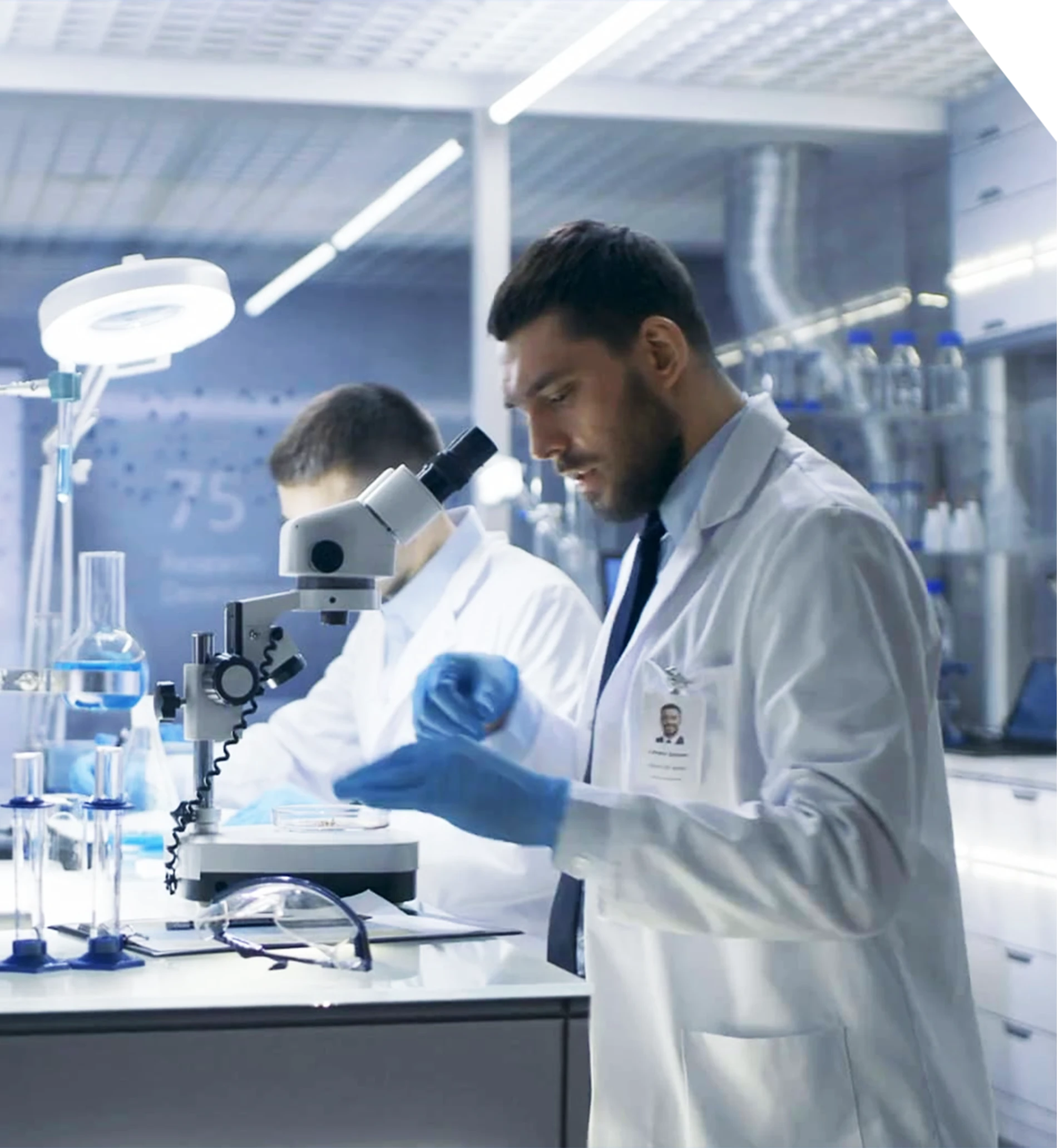
 Strong R & D Capability And Experienced Technical Team
-
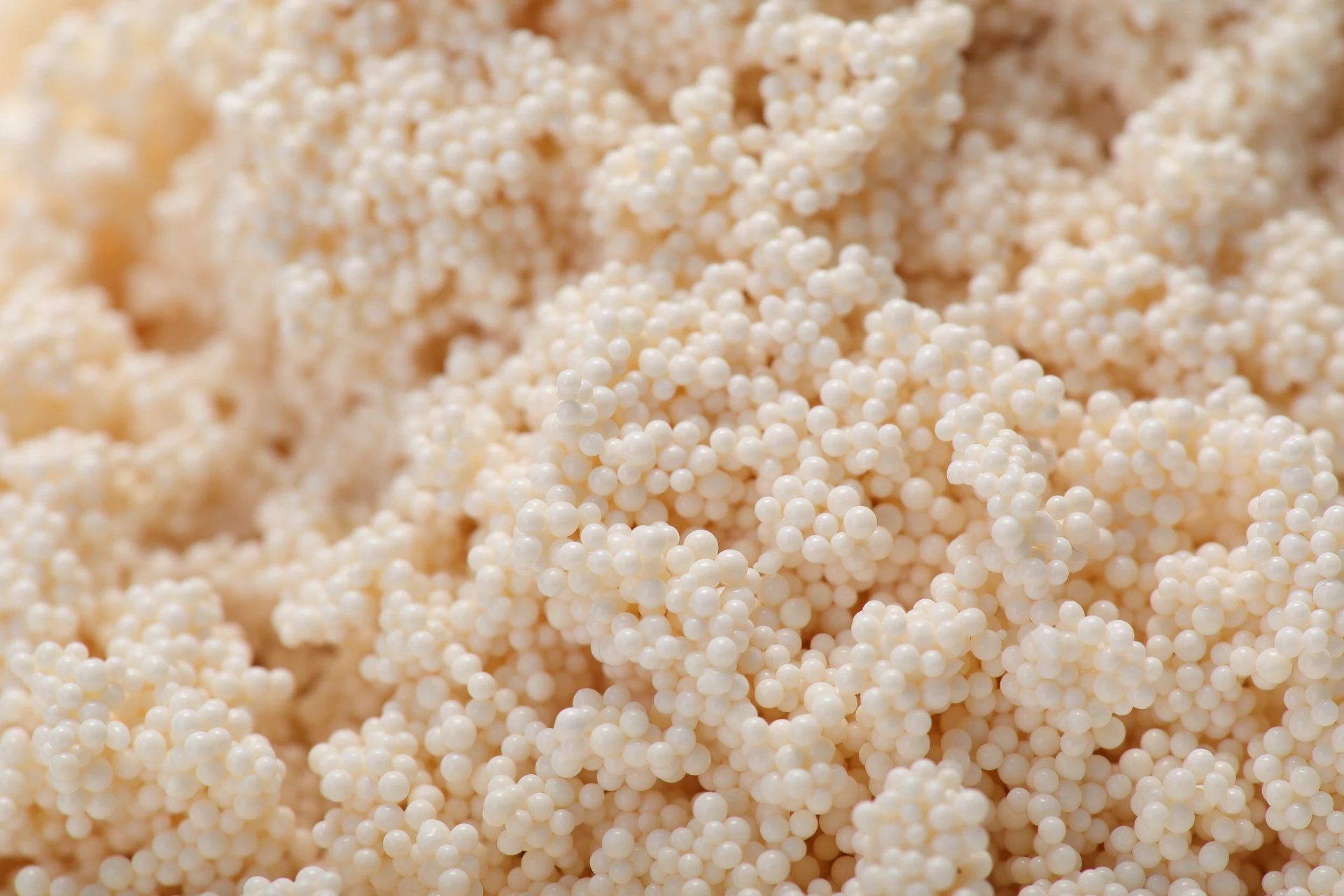
Provide Customers With Competitive And Differentiated Products